low taper fade haircut
Introduction
The low taper fade haircut has become one of the most requested hairstyles in modern barbershops, and for good reason. It is clean, stylish, versatile, and works for almost every hair type and face shape. Whether someone wants a professional appearance for work, a trendy look for social events, or a low-maintenance haircut that still looks sharp, the low taper fade delivers on every level. low taper fade haircut.
Unlike dramatic fades that remove too much hair from the sides, the low taper fade keeps things subtle. The fade begins lower around the ears and neckline, creating a smoother and more natural transition. That balance between neatness and style is exactly why this haircut continues to dominate men’s grooming trends year after year.
Another reason for its popularity is flexibility. The low taper fade can be paired with curly hair, straight hair, waves, textured crops, pompadours, slick backs, afros, and even longer hairstyles. It adapts to personal style instead of forcing everyone into the same look. That versatility makes it ideal for teenagers, working professionals, athletes, and even older men who want a modern but mature haircut. low taper fade haircut.
In this article, we will cover everything you need to know about the low taper fade haircut. From its origins and styling options to maintenance routines and barber tips, this guide explains why this haircut remains a timeless favorite.
What Is a Low Taper Fade Haircut?
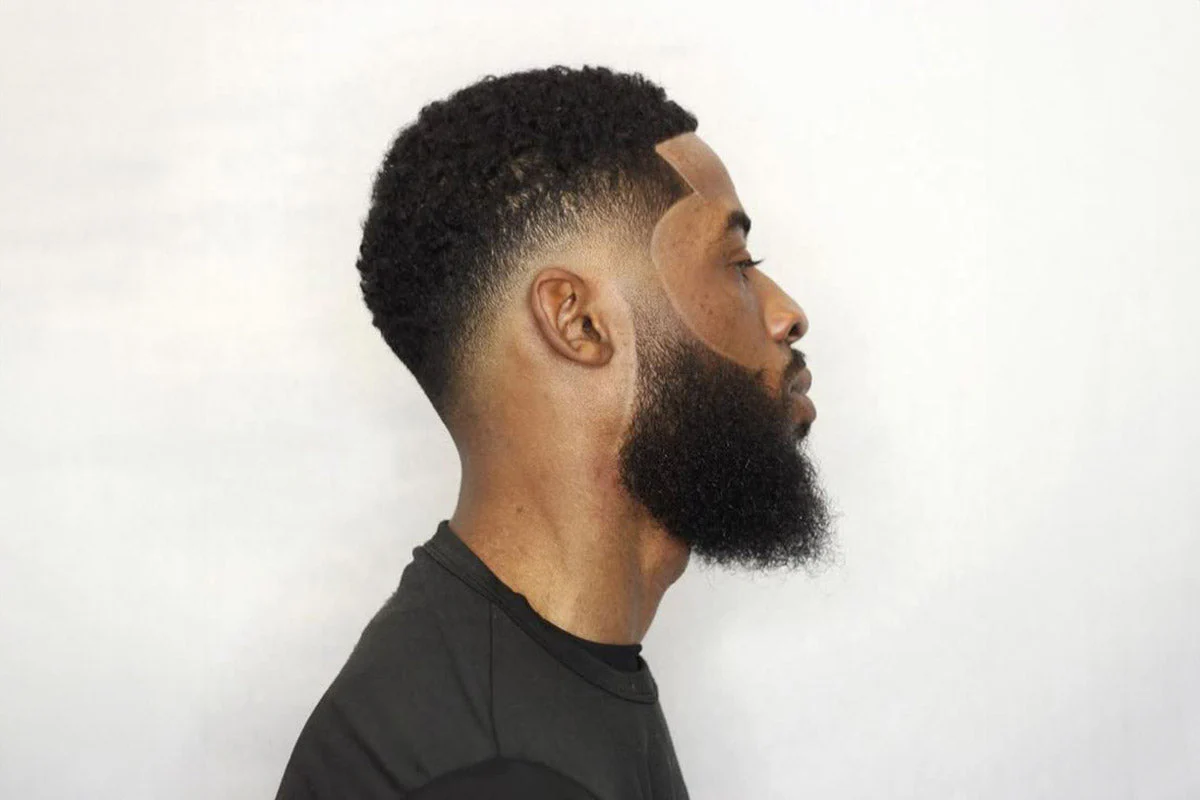
The low taper fade haircut is a style where the hair gradually shortens around the lower sides and back of the head. The fade typically starts just above the ears and continues down toward the neckline. Unlike high fades or skin fades that create a bold contrast, the low taper fade offers a softer and more natural appearance.
One of the biggest strengths of this haircut is how subtle it looks. The transition between longer hair on top and shorter hair on the sides is smooth and controlled. Because of that, the haircut appears clean without looking too aggressive or overly trendy. Many people choose it because it fits both casual and professional environments equally well.
Barbers often recommend low taper fades to clients trying fades for the first time. Since the haircut is conservative compared to mid or high fades, it allows people to experiment with modern grooming while maintaining a classic appearance. This makes it especially popular among office workers, students, and men who prefer understated hairstyles.
Another important detail is the difference between a taper and a fade. A taper gradually shortens the hair mainly around the sideburns and neckline, while a fade blends the hair much higher into the scalp. The low taper fade combines both ideas, offering a polished finish without removing too much hair. The result is stylish, balanced, and easy to maintain.
Why the Low Taper Fade Is So Popular
The low taper fade haircut has exploded in popularity because it suits nearly everyone. Hairstyles often come and go, but this one has remained consistently relevant due to its adaptability. It works for different lifestyles, hair textures, and age groups, which is rare in men’s grooming trends. low taper fade haircut.
One major reason for its success is versatility. Someone can pair a low taper fade with a textured fringe for a youthful appearance or combine it with a slick back for a sophisticated look. The same haircut can appear edgy, professional, sporty, or elegant depending on how it is styled. Few haircuts offer that level of flexibility.
Another reason people love the low taper fade is maintenance. While the haircut still requires regular barber visits to stay sharp, it grows out naturally and gracefully. low taper fade haircut Some fades begin to look messy after just a week, but low taper fades tend to maintain their shape longer because the transition is softer.
Social media and celebrity influence have also contributed heavily to the haircut’s popularity. Athletes, musicians, actors, and influencers frequently wear variations of the low taper fade. Because of that exposure, the style has become associated with confidence, cleanliness, and modern masculinity. Yet despite being trendy, it still retains a timeless quality that prevents it from feeling temporary. low taper fade haircut.
Different Types of Low Taper Fade Haircuts
One of the best things about the low taper fade is how many variations exist. The haircut can be customized to match individual preferences, making it suitable for almost every personality and aesthetic. Different combinations create completely different vibes while still maintaining the core taper fade structure.
The low taper fade with curly hair is especially popular because it enhances texture while keeping the sides neat. The contrast between defined curls on top and faded sides creates a stylish and balanced look. Men with natural curls often choose this style because it reduces bulk without sacrificing personality. low taper fade haircut.
The low taper fade with a textured crop is another modern favorite. This version features shorter textured hair on top with a slightly messy finish. It looks youthful, fashionable, and easy to style. Many younger men prefer this variation because it combines simplicity with current fashion trends.
For a cleaner and more polished appearance, the slick back low taper fade remains a classic option. The top is combed backward using pomade or styling cream while the sides remain faded. This creates a professional and elegant look that works perfectly in formal settings. low taper fade haircut.
There is also the low taper fade with waves, which is highly popular in Black men’s hairstyles. The fade highlights the wave pattern while maintaining a fresh and clean outline. Similarly, the afro low taper fade allows natural volume on top while shaping the sides for a controlled finish. Each variation demonstrates how adaptable this haircut truly is.
Best Face Shapes for a Low Taper Fade
The low taper fade haircut works well with most face shapes, which is one of the reasons it remains universally popular. However, certain styling adjustments can improve how the haircut complements individual facial structures.
Men with oval face shapes are especially lucky because nearly every version of the low taper fade suits them. Oval faces naturally have balanced proportions, allowing freedom to experiment with different lengths and textures on top. Whether the style is slicked back, curly, or textured, the haircut usually looks excellent.
For round face shapes, the low taper fade can create a slimming effect when paired with additional height on top. Styles like pompadours, quiffs, or textured volume help elongate the face visually. The faded sides reduce width, making the overall appearance more balanced. low taper fade haircut.
Square face shapes also pair extremely well with low taper fades because the haircut emphasizes strong jawlines and masculine facial features. Keeping the fade neat while adding texture on top enhances sharp angles naturally. Many barbers recommend this style specifically for men with strong bone structure.
Men with longer or rectangular face shapes should avoid excessive height on top because it may make the face appear even longer. Instead, moderate volume combined with a balanced fade usually works best. Since the low taper fade is subtle rather than dramatic, it naturally avoids exaggerating facial proportions too much.
How to Ask Your Barber for a Low Taper Fade
Many people walk into barbershops wanting a low taper fade but struggle to explain exactly what they want. Communication matters because small differences in fade placement, blending, and top length can completely change the final result. low taper fade haircut.
The first thing to mention is the fade height. Specifically ask for a “low taper fade” rather than simply saying “fade.” This tells the barber to keep the fade lower around the ears and neckline instead of taking it too high up the head.
Next, discuss how short you want the fade. Some people prefer a skin taper fade where the hair blends down to the skin, while others prefer a softer taper using clipper guards. Bringing reference photos can help avoid misunderstandings because visual examples communicate details more clearly than words alone.
You should also explain what you want on top. Do you want curls, texture, length, waves, or a comb-over? The top section determines the overall personality of the haircut. Without clear instructions, the barber may create a style that technically includes a taper fade but does not match your expectations.
Finally, discuss edge-ups, lineups, and beard blending if applicable. Many modern low taper fades include sharp detailing around the hairline and beard area. These finishing touches can dramatically improve the overall appearance and make the haircut look more polished. low taper fade haircut.
How to Style a Low Taper Fade Haircut
Styling a low taper fade haircut depends heavily on hair type and desired appearance. Fortunately, the haircut itself is versatile enough to support both simple and advanced grooming routines.
For a natural everyday look, lightweight styling cream or matte paste works well. These products add texture without making the hair look overly shiny or stiff. Textured hairstyles especially benefit from matte products because they create movement and separation.
Men who prefer polished hairstyles often use pomade or gel. Slick backs and side parts require stronger hold products to maintain structure throughout the day. Applying the product to slightly damp hair usually provides the best results while keeping the finish smooth and controlled. low taper fade haircut.
Curly hair often benefits from curl creams or leave-in conditioners. These products help define curls while reducing frizz. Since low taper fades remove bulk from the sides, curls on top become the main focus, so hydration and definition are essential.
Blow drying can also improve styling results significantly. Using a blow dryer while brushing the hair into shape creates additional volume and control. Many professional-looking hairstyles rely on proper blow drying techniques rather than styling products alone.
Maintenance and Grooming Tips
Although the low taper fade is relatively easy to maintain, regular grooming still matters if you want the haircut to stay sharp. Fades naturally lose definition as hair grows, so consistency is important.
Most people schedule barber appointments every two to three weeks. Waiting too long allows the fade to grow uneven and reduces the clean contrast that makes the haircut attractive. Frequent touch-ups help maintain the crisp appearance.
Hair care products also play a major role in maintenance. Using quality shampoo and conditioner keeps the hair healthy and manageable. Dry or damaged hair can make even the best fade look less impressive. Hydration is especially important for curly or textured hair types. low taper fade haircut.
Neckline maintenance is another overlooked detail. Some men use trimmers at home to clean the neckline between barber visits. This small effort can keep the haircut looking fresher for longer without requiring a full haircut appointment.
Beard grooming should not be ignored either. Many low taper fades blend directly into facial hair, so maintaining beard lines and shape improves the overall style dramatically. A well-groomed beard combined with a sharp taper fade creates a polished and masculine appearance.
Low Taper Fade vs Other Fade Haircuts
Understanding the difference between fade types helps people choose the haircut that best matches their style and lifestyle. While all fades involve gradual blending, placement and intensity create major differences in appearance.
The low taper fade is the most subtle option. It starts lower near the ears and neckline, creating a softer and more conservative look. This makes it ideal for professional environments and people who prefer understated hairstyles.
Mid fades begin higher around the temples and create stronger contrast. They look more modern and noticeable than low fades but still maintain some balance. Mid fades are often chosen by people who want a sharper style without going too extreme. low taper fade haircut.
High fades remove much more hair from the sides and create dramatic separation between the top and sides. These cuts appear bold, edgy, and attention-grabbing. While stylish, they may not suit every workplace or face shape.
Skin fades take the fade all the way down to the scalp, exposing skin for maximum contrast. They require more maintenance because hair growth becomes visible quickly. In comparison, low taper fades grow out more naturally and require less frequent upkeep.
Why the Low Taper Fade Will Never Go Out of Style
Trends in men’s hairstyles constantly change, but certain haircuts survive because they balance fashion with practicality. The low taper fade belongs firmly in that category. It manages to look modern without becoming overly trendy, which gives it lasting appeal.
Classic grooming principles play a big role in its longevity. The haircut emphasizes cleanliness, symmetry, and proportion — qualities that never truly disappear from men’s style. Even as trends shift toward longer hair or textured looks, the low taper fade continues adapting successfully.
Another reason it remains timeless is its ability to evolve. New generations continue reinventing the haircut through fresh combinations, textures, and styling techniques. Yet the core concept stays consistent: clean sides, smooth blending, and balanced proportions.
Professional acceptance also contributes to its staying power. Some hairstyles become outdated because they only suit specific fashion eras or youth culture. low taper fade haircut The low taper fade avoids that problem because it works equally well in offices, schools, gyms, weddings, and casual settings.
Perhaps most importantly, the haircut simply makes people look polished. It enhances natural features without overwhelming them. That universal appeal ensures the low taper fade will remain relevant for many years to come.
Conclusion
The low taper fade haircut has earned its reputation as one of the best modern hairstyles for men. Its clean appearance, versatility, and timeless style make it suitable for nearly every age group, hair type, and lifestyle. Whether paired with curls, waves, textured crops, slick backs, or natural volume, the haircut consistently delivers a fresh and confident look.
What truly separates the low taper fade from other hairstyles is balance. It is stylish without trying too hard, professional without looking boring, and trendy without becoming temporary. Few haircuts manage to combine all those qualities so effectively.
For anyone considering a new hairstyle, the low taper fade is a safe but fashionable choice. It offers endless customization options while remaining easy to maintain and universally flattering. That combination explains why barbers around the world continue recommending it to clients every single day.
As grooming trends continue evolving, the low taper fade will likely remain a cornerstone of men’s hairstyling. It is not just a passing trend — it is a modern classic.
About the Author