gorlock the destroyer
Introduction
The internet creates new celebrities almost every single day. Some become famous because of talent, some because of controversy, and others simply because social media decides to turn a random moment into a viral phenomenon. One of the strangest and most talked-about examples of this trend is “Gorlock the Destroyer.” What started as a nickname during a podcast appearance quickly transformed into a massive online meme that spread across TikTok, X, YouTube, Reddit, and countless other platforms.
At first glance, the phrase sounds like the name of a fantasy villain from a video game or a science fiction movie. However, Gorlock the Destroyer is actually a nickname that internet users created for a real person after clips from a podcast began circulating online. The nickname became viral almost instantly, generating millions of views and sparking conversations about humor, cyberbullying, internet fame, and meme culture.
The rise of Gorlock the Destroyer demonstrates how quickly online audiences can turn a simple clip into a worldwide phenomenon. In today’s digital world, a person can become recognizable overnight, even if they never intended to become famous. Viral moments often take on a life of their own, especially when memes are involved. Once social media users attach a catchy phrase to someone, the internet rarely lets it go.
At the same time, the Gorlock the Destroyer meme also reveals a darker side of internet culture. While many people treated the meme as harmless comedy, others argued that it crossed the line into mockery and cruelty. This debate became a major reason why the meme stayed relevant for so long. Discussions about body image, online harassment, and viral humiliation became deeply connected to the story.
In this article, we will explore the origins of Gorlock the Destroyer, how the meme exploded online, why it became controversial, and what it says about modern internet behavior. We will also look at how meme culture continues to evolve and why viral internet personalities often face both fame and criticism at the same time.
The Origin of Gorlock the Destroyer:
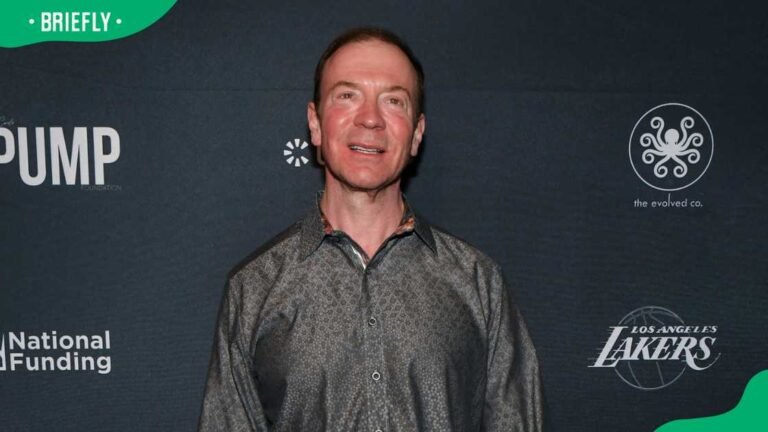
Gorlock the destroyer The phrase “Gorlock the Destroyer” first gained attention after a viral clip from the Whatever Podcast spread across social media. The podcast regularly features discussions about dating, relationships, gender dynamics, and internet culture. During one particular episode, viewers focused heavily on one guest whose appearance and personality quickly became the center of online discussion.
Soon after clips from the podcast appeared online, social media users began creating jokes and edits. The nickname “Gorlock the Destroyer” emerged as part of this trend. The name sounded exaggerated, dramatic, and absurd, which made it perfect meme material. Internet users immediately started sharing reaction videos, edited images, and parody content using the phrase.
What made the meme spread so quickly was the combination of shock humor and internet creativity. The nickname sounded like a powerful fantasy villain, which created a bizarre contrast with the real-life podcast setting. This contrast is exactly the type of humor that thrives online. The internet loves turning ordinary situations into exaggerated fictional narratives, and Gorlock the Destroyer fit perfectly into that pattern.
Another important reason for the meme’s popularity was TikTok’s algorithm. Short clips featuring the nickname started receiving massive engagement. Users stitched the original video, added dramatic music, and created fantasy-style edits. Many videos portrayed Gorlock the Destroyer as an unstoppable warrior or mythical creature, further pushing the joke into absurd territory.
As the meme spread across platforms, millions of people who had never watched the original podcast became familiar with the phrase. This is common in meme culture. Often, the meme becomes more famous than the original source itself. In the case of Gorlock the Destroyer, the nickname completely overshadowed the actual podcast discussion.
However, the viral attention also brought criticism. Some people felt the nickname was unnecessarily harsh and targeted someone’s appearance rather than their opinions or actions. Others argued that internet humor has always relied on exaggeration and parody. This disagreement fueled even more discussion online, which only increased the meme’s visibility.
Why the Meme Became So Popular:
One of the biggest reasons Gorlock the Destroyer became viral is because the internet loves exaggerated identities. Social media users are constantly searching for content that feels outrageous, unexpected, or visually memorable. The nickname itself sounded larger than life, almost like a final boss in a fantasy role-playing game. That alone made people curious enough to click, watch, and share.
The meme also benefited from modern attention spans. Online audiences today consume content extremely quickly, especially on platforms like TikTok and Instagram Reels. A short clip with a dramatic nickname and an instantly recognizable face is perfect for viral engagement. People did not need to understand the full context to enjoy the meme. The humor worked within seconds.
Another major factor was remix culture. gorlock the destroyer The internet no longer simply watches content; it constantly transforms it. Users created edits featuring cinematic music, fake movie trailers, fantasy animations, and gaming references connected to Gorlock the Destroyer. These edits made the meme feel more entertaining and interactive than a traditional viral video.
The phrase itself also played a huge role. “Gorlock the Destroyer” is memorable because it sounds ridiculous yet powerful. Many viral memes succeed because they contain catchy language that people enjoy repeating. The internet has always favored phrases that sound dramatic or absurd. Once users started repeating the nickname in comments and videos, it became embedded in online culture.
Additionally, controversy boosted the meme’s visibility. Whenever internet users debate whether something is funny or offensive, engagement increases dramatically. Some people defended the meme as harmless humor, while others called it cyberbullying. Social media algorithms tend to reward heated discussions because they generate comments, shares, and reactions.
The meme also reflects the internet’s obsession with creating characters out of real people. Online audiences often turn individuals into exaggerated personas, regardless of whether the person wants that attention. Once this transformation happens, the individual can become trapped inside a meme identity that follows them everywhere online.
Finally, timing mattered. The meme appeared during an era when podcasts, reaction clips, and internet commentary channels dominate social media. Viral moments from podcasts regularly explode online because they are easy to clip and share. Gorlock the Destroyer emerged at exactly the right moment to benefit from this environment.
The Role of TikTok and Social Media Algorithms:
TikTok played an enormous role in turning Gorlock the Destroyer into a global meme. The platform’s algorithm is specifically designed to push highly engaging content to massive audiences, even if the creator has very few followers. This allows memes to spread at incredible speed compared to older internet platforms.
One reason TikTok amplified the meme so effectively is because the content generated strong emotional reactions. People either found it hilarious, shocking, or offensive. Any type of strong reaction encourages users to watch longer, comment, and share the video. TikTok’s system interprets this behavior as a sign that the content should be shown to even more users.
The short-form nature of TikTok also helped simplify the meme. Most people encountered only a few seconds of the original podcast clip alongside the dramatic nickname. This stripped away context and transformed the moment into pure internet entertainment. The meme became easier to consume and easier to spread.
Social media algorithms thrive on repetition. Once users interacted with one Gorlock the Destroyer video, platforms started recommending more similar content. This created a feedback loop where the meme appeared everywhere at once. Users who had never searched for the topic suddenly saw endless edits and reaction videos on their feeds.
YouTube Shorts and Instagram Reels contributed heavily as well. Content creators reposted the clips across multiple platforms, allowing the meme to escape TikTok and reach entirely different audiences. This cross-platform sharing is one reason modern memes grow so quickly compared to earlier internet trends.
Memes also spread faster when they inspire participation. Thousands of users joined the trend by creating their own edits, jokes, and reactions. Every new upload expanded the meme’s reach. Social media platforms reward trends that encourage user-generated content because it keeps audiences active and engaged.
Another interesting aspect is how algorithms often ignore ethical concerns. Content that sparks arguments usually performs extremely well. Whether users were defending or criticizing the meme, they were still increasing engagement metrics. This demonstrates how social media systems prioritize attention over nuance.
The Gorlock the Destroyer phenomenon highlights how modern algorithms shape online culture. Viral fame today is not determined solely by talent or intention. Instead, it is heavily influenced by engagement systems designed to maximize watch time and user interaction.
The Controversy Surrounding the Meme
As the meme gained popularity, criticism quickly followed. Many people argued that Gorlock the Destroyer crossed the line from comedy into personal humiliation. Critics claimed the nickname targeted physical appearance in a cruel and dehumanizing way.
This debate became especially intense because internet culture often blurs the boundary between jokes and harassment. Some users treated the meme as harmless exaggeration, similar to countless other internet jokes. Others believed the meme encouraged body shaming and online bullying.
The person at the center of the meme became the focus of millions of comments, reactions, and insults. Viral attention can be overwhelming, particularly when it revolves around mockery rather than admiration. Internet fame is unpredictable, and people often underestimate the emotional impact of becoming a meme.
Supporters of the meme argued that public appearances naturally invite public commentary. They claimed the internet has always used satire, parody, and exaggeration for entertainment. From this perspective, Gorlock the Destroyer was simply another example of online humor evolving through creativity and absurdity.
However, critics pointed out that the internet frequently treats real individuals as fictional characters. Once someone becomes a meme, empathy often disappears. People forget there is an actual person behind the viral content. This disconnect can lead to intense harassment and emotional stress.
The controversy also sparked broader discussions about beauty standards and online cruelty. Social media already creates enormous pressure around appearance, and viral memes can amplify those pressures even further. Some commentators argued that the meme reflected deeper cultural issues related to how people judge and ridicule others online.
Interestingly, the controversy itself helped keep the meme alive. Debates about whether the joke was acceptable generated additional views and engagement. This pattern is common in internet culture. Outrage often becomes part of the entertainment cycle, fueling even greater visibility.
Ultimately, the Gorlock the Destroyer debate revealed how divided internet audiences can be regarding humor and ethics. Some believe offensive jokes are simply part of online culture, while others think viral mockery can cause genuine harm. The conversation surrounding the meme became almost as important as the meme itself.
What Gorlock the Destroyer Says About Internet Culture
The rise of Gorlock the Destroyer reveals several important truths about modern internet culture. One of the clearest lessons is that virality is often unpredictable. A single moment from a podcast can suddenly become one of the most recognizable memes on the internet.
Another major takeaway is how quickly social media transforms people into characters. Online audiences often reduce complex individuals into simplified identities based on one clip, one phrase, or one image. Once this happens, the internet tends to repeat and exaggerate that identity endlessly.
The meme also highlights how humor online has become increasingly surreal. Modern internet comedy frequently relies on absurdity, dramatic editing, and exaggerated storytelling. Calling someone “Gorlock the Destroyer” sounds intentionally ridiculous, which is exactly why users found it funny.
At the same time, the meme demonstrates the power of collective participation. Internet culture is no longer shaped solely by major media companies. gorlock the destroyer Ordinary users create trends, remix content, and spread ideas at massive scale. Memes evolve through collaboration, even when the original creators have no control over the outcome.
The situation also reflects how internet fame can be both positive and negative simultaneously. Viral attention may bring recognition and influence, but it can also expose individuals to criticism, harassment, and emotional stress. Online visibility often comes with consequences that people do not anticipate.
Another important aspect is the role of algorithms in shaping public conversation. Social media platforms reward emotionally charged content because it drives engagement. As a result, controversial memes frequently spread faster than nuanced discussions.
The Gorlock the Destroyer phenomenon also shows how internet audiences constantly search for entertainment that feels emotionally intense. People are drawn toward content that surprises them, shocks them, or makes them laugh immediately. Memes that trigger strong reactions have the highest chance of surviving in crowded online spaces.
Finally, the meme illustrates how difficult it has become to separate online identity from real-world identity. Viral moments can permanently affect how someone is perceived across the internet. In many cases, a single nickname or meme becomes attached to a person indefinitely.
Conclusion
Gorlock the Destroyer is far more than just a random internet joke. It represents the strange, fast-moving, and often chaotic nature of modern online culture. What started as a nickname during a podcast appearance evolved into a massive viral phenomenon that spread across nearly every major social media platform.
The meme became popular because it combined absurd humor, dramatic language, remix culture, and algorithm-driven visibility. TikTok, YouTube Shorts, Instagram Reels, and other platforms amplified the trend at incredible speed, turning it into a recognizable part of internet culture.
However, the story also sparked serious conversations about cyberbullying, body shaming, and the ethics of viral humor. While some people viewed the meme as harmless entertainment, others believed it reflected the internet’s tendency to mock and dehumanize real individuals for clicks and engagement.
Perhaps the most important lesson from Gorlock the Destroyer is how powerful internet culture has become. Social media can instantly transform ordinary moments into worldwide trends. At the same time, these trends can affect real people in meaningful ways, both emotionally and socially.
As online platforms continue evolving, memes like Gorlock the Destroyer will likely become even more common. The internet thrives on exaggeration, participation, and viral storytelling. Whether people see these memes as funny, harmful, or both, they undeniably shape the way modern culture communicates and entertains itself.
In the end, Gorlock the Destroyer serves as a fascinating example of how the internet creates legends out of ordinary moments. It captures the creativity, absurdity, humor, and controversy that define digital culture today.
About the Author