strands nyt answers
Introduction
Strands nyt answers The popularity of word puzzles has exploded in recent years, and one game that has quickly captured the attention of puzzle enthusiasts is Strands by The New York Times. If you have searched for “Strands NYT answers,” chances are you are either stuck on a tricky puzzle, curious about how the game works, or simply trying to improve your solving skills. Whatever your reason may be, you are not alone. Strands nyt answers.
The New York Times has built a strong reputation for delivering engaging brain games that challenge players in exciting ways. From Crossword puzzles to Wordle and Connections, the company understands exactly how to keep puzzle fans entertained. Strands is another impressive addition to that lineup. Unlike traditional word games, Strands introduces a fresh and creative experience that combines pattern recognition, vocabulary skills, and logical thinking.
Many players search for Strands NYT answers every day because the puzzle can become surprisingly difficult. Some themes are easy to identify immediately, while others require deep thinking and careful observation. The challenge is part of what makes the game addictive. Solving a difficult puzzle brings a satisfying feeling that keeps players coming back daily.
In this article, we will explore everything you need to know about Strands NYT answers. We will discuss how the puzzle works, why people search for answers, effective solving strategies, common mistakes, and practical tips that can improve your performance over time. Whether you are a beginner or an experienced player, this guide will help you understand the game on a much deeper level. Strands nyt answers.
What Is the NYT Strands Puzzle?
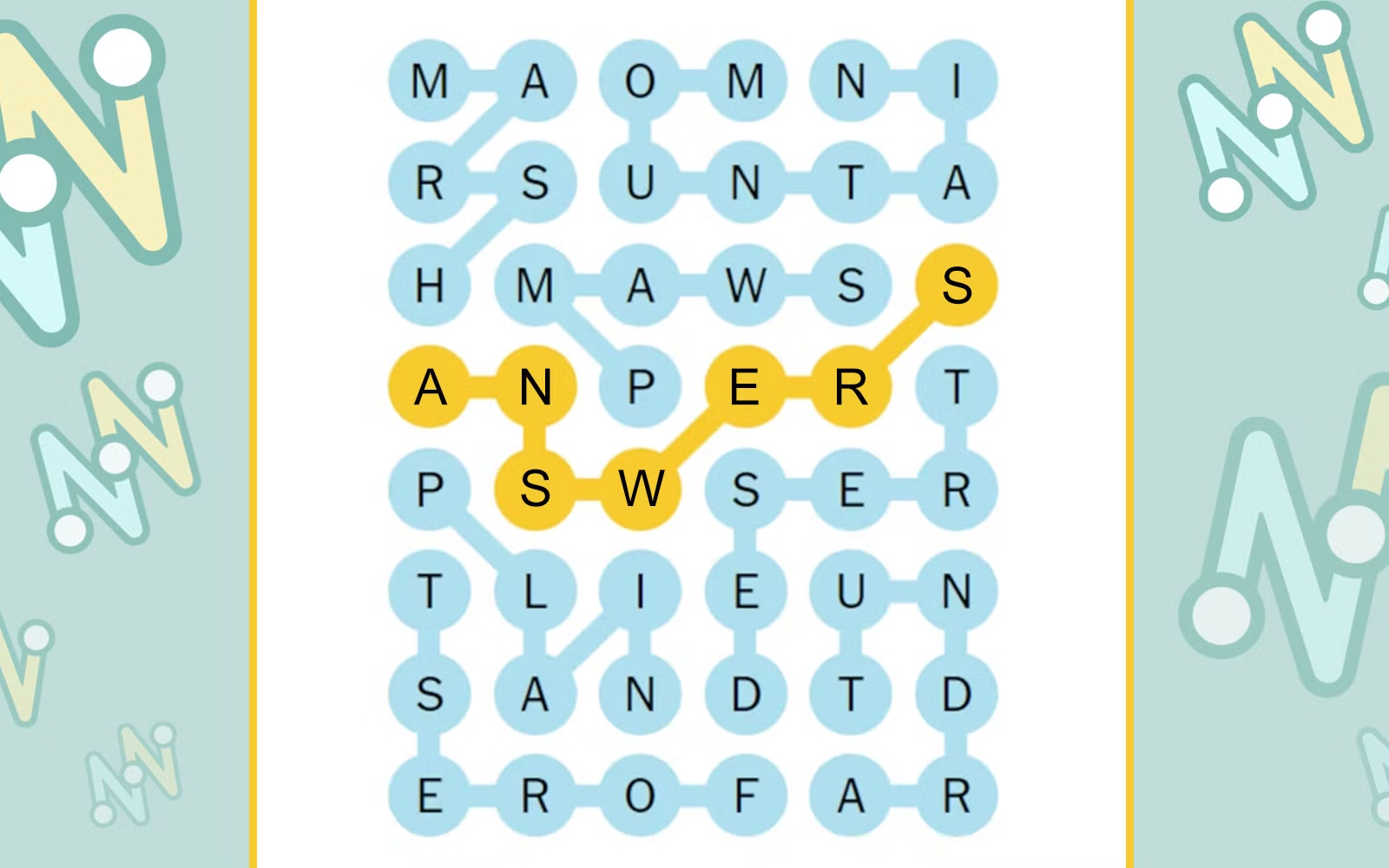
Strands nyt answers The NYT Strands puzzle is a word-search-style game created by The New York Times. At first glance, it may appear simple, but the puzzle contains layers of complexity that make it highly engaging. Players are presented with a grid of letters and must uncover words connected to a hidden theme. Strands nyt answers.
Unlike ordinary word search puzzles, Strands is not only about finding random words hidden in the grid. Every puzzle revolves around a central idea or category. The challenge lies in identifying the relationship between the words while navigating the puzzle layout. Some words may connect horizontally, vertically, diagonally, or even through unusual paths.
One of the most interesting aspects of Strands is the “spangram.” The spangram is a special word or phrase that stretches across the board and often reveals the puzzle’s main theme. Discovering the spangram can dramatically simplify the rest of the game because it provides clues about the category of remaining words.
Players enjoy the game because it balances difficulty and accessibility. You do not need advanced vocabulary skills to start playing, but the puzzle still requires concentration and analytical thinking. The New York Times designed Strands to appeal to both casual players and dedicated puzzle enthusiasts. Strands nyt answers.
Another reason for the game’s popularity is its daily format. Just like Wordle, a new Strands puzzle appears each day. This creates excitement within the puzzle community, as players compare experiences, discuss difficult clues, and search for Strands NYT answers online when they become stuck.
Why People Search for Strands NYT Answers
Strands nyt answers There are many reasons why players search for Strands NYT answers online. Some people simply get stuck and need a small hint to continue. Others may want to verify their solutions after completing the puzzle. In many cases, players are curious to see alternative solving methods used by experienced puzzle enthusiasts.
The difficulty of Strands varies from day to day. Certain themes are straightforward and easy to understand, while others are extremely abstract. For example, a puzzle based on “kitchen tools” may be easier than one built around unusual metaphors or wordplay. When themes become too complicated, many players turn to online answer guides.
Another major reason people search for answers is time pressure. Some players enjoy completing the puzzle quickly before work, during lunch breaks, or while relaxing in the evening. If they become stuck for too long, checking answers can save time and reduce frustration. Strands nyt answers.
Social media also plays an important role. Puzzle communities on platforms like Reddit, X, and Facebook often discuss the daily Strands puzzle. Players compare solving times, celebrate difficult victories, and share hints. This social aspect encourages many users to search for Strands NYT answers so they can participate in conversations without feeling left behind.
Additionally, some players use answer guides as learning tools. They study solved puzzles to understand patterns, improve vocabulary, and recognize common puzzle structures. Over time, this approach can significantly improve problem-solving abilities. Strands nyt answers.
How Strands Differs from Other NYT Games
Strands nyt answers The New York Times offers several popular puzzle games, but Strands stands out because of its unique gameplay style. While games like Wordle and Connections focus heavily on guessing or categorization, Strands combines multiple puzzle mechanics into one experience. Strands nyt answers.
Wordle is based on identifying a single hidden word using letter clues. Connections challenges players to group words into related categories. strands nyt answers Crossword puzzles rely on vocabulary knowledge and clue interpretation. Strands, however, blends thematic deduction with visual pattern recognition.
One key difference is movement freedom within the puzzle grid. In Strands, players can trace words in multiple directions, creating a more dynamic solving experience. This flexibility adds complexity because there are countless possible letter combinations. Strands nyt answers.
The spangram system also makes Strands unique. Unlike most word games, there is often a central discovery that unlocks the puzzle’s entire logic. Finding the spangram can feel like solving a mystery because it suddenly reveals hidden relationships among the words.
Another difference is pacing. Wordle usually takes only a few minutes to complete, while Strands can require longer periods of concentration. Some puzzles may be solved quickly, while others demand careful analysis and repeated experimentation.
The visual nature of Strands also appeals to players who enjoy interactive puzzle solving. Instead of relying solely on text clues, players engage directly with the grid. This creates a more immersive experience that feels rewarding when complex patterns finally become clear. Strands nyt answers.
Expert Strategies for Solving Strands Puzzles
Strands nyt answers Successfully solving Strands puzzles requires more than luck. Skilled players develop strategies that help them identify patterns faster and avoid unnecessary confusion. Learning these techniques can dramatically improve your puzzle-solving performance. Strands nyt answers.
One effective strategy is to focus on the puzzle theme immediately. The daily clue usually provides valuable insight into the category of hidden words. Instead of randomly searching the board, experienced players analyze the clue carefully before making their first move.
Another important technique involves scanning for unusual letter combinations. Certain letters naturally stand out in the grid, especially uncommon combinations like “TH,” “ING,” “QU,” or “TION.” Recognizing these patterns can help identify potential words quickly. Strands nyt answers.
Finding the spangram early is often the key to success. Since the spangram typically stretches across the board, it can provide a strong structural framework for the remaining answers. Many advanced players specifically search for long connecting patterns before focusing on smaller words.
It is also helpful to avoid tunnel vision. Some players become overly focused on one possible word and waste valuable time forcing incorrect combinations. If you feel stuck, take a step back and explore a different section of the board. Fresh perspectives often reveal hidden solutions.
Experienced solvers also pay attention to word themes used in previous puzzles. The New York Times frequently incorporates cultural references, food categories, hobbies, entertainment topics, and seasonal themes. Understanding these patterns can make future puzzles easier. Strands nyt answers.
Patience is another underrated strategy. Rushing through the puzzle often leads to mistakes and frustration. Calm observation and methodical searching usually produce better results than random guessing.
Common Mistakes Players Make in Strands
Even experienced puzzle enthusiasts make mistakes while solving Strands. Understanding these common errors can help players improve their consistency and reduce frustration. Strands nyt answers.
One major mistake is ignoring the puzzle theme. Some players immediately begin searching for any possible word without considering the clue. This approach wastes time because only theme-related words count toward solving the puzzle.
Another common issue is overcomplicating the puzzle. Sometimes the answers are surprisingly straightforward, but players convince themselves the puzzle must contain hidden tricks or advanced wordplay. Overthinking can make simple solutions harder to recognize. Strands nyt answers.
Many players also struggle with board navigation. Since words can connect in unusual directions, it is easy to overlook valid paths. Some users mistakenly assume words only move horizontally or vertically, causing them to miss diagonal or curved combinations.
Failing to identify the spangram early can create unnecessary difficulty. Without understanding the puzzle’s central theme, players may spend too much time exploring irrelevant word possibilities.
Another mistake involves relying too heavily on hints. While hints can be helpful, using them too frequently prevents players from developing independent solving skills. Over time, this dependence can reduce the satisfaction of completing puzzles naturally. Strands nyt answers.
Players also sometimes panic when they cannot find a word immediately. Strands is designed to challenge the brain, so temporary confusion is completely normal. Staying calm and patient often leads to breakthroughs.
Benefits of Playing Strands Regularly
Playing Strands regularly offers more benefits than simple entertainment. Word puzzles provide valuable mental exercise that can improve cognitive skills in several ways.
One major benefit is vocabulary development. Players encounter new words, phrases, and thematic concepts that expand language knowledge naturally. Over time, repeated exposure to unfamiliar terms strengthens word recognition and comprehension.
Strands also enhances pattern recognition abilities. The game trains the brain to identify connections between letters, categories, and visual arrangements. These skills can improve problem-solving performance in other areas of life.
Concentration and focus are another important advantage. Solving puzzles requires sustained attention and mental discipline. Regular practice can help strengthen these abilities, especially in a world filled with constant digital distractions.
The game also encourages creative thinking. Since words can appear in unexpected shapes and directions, players learn to approach problems from multiple perspectives. This flexible thinking style can benefit professional and academic tasks.
Stress reduction is another overlooked benefit. Many people use puzzles as a relaxing daily activity that helps them disconnect from anxiety and external pressures. Completing a challenging puzzle creates a rewarding sense of achievement.
Additionally, playing Strands can become a social experience. Friends and family members often solve puzzles together, discuss strategies, or compete for faster completion times. This shared activity creates opportunities for meaningful interaction.
Tips for Finding Strands NYT Answers Faster
If your goal is to solve Strands puzzles more efficiently, there are several practical techniques you can apply immediately. Faster solving does not necessarily mean rushing. Instead, it involves improving observation and decision-making.
Start by examining the board carefully before selecting any letters. Many players move too quickly and overlook obvious patterns. Spending a few extra seconds analyzing the layout can save significant time later.
Try identifying possible theme-related vocabulary before searching the grid. For example, if the clue relates to music, mentally list instruments, genres, or musical terms. This preparation gives your brain a clearer search direction.
Look for longer words first. Larger words are often easier to identify because they contain more recognizable letter patterns. Once discovered, these words can reveal clues about smaller connected answers.
Using the edges of the board strategically can also help. Spangrams frequently stretch across large sections of the grid, sometimes beginning or ending near edges. Experienced players often inspect border areas carefully.
Another helpful tip is to track used letters mentally. Once certain areas of the board are connected to discovered words, you can eliminate them from unnecessary future searches.
Taking short breaks can also improve performance. If you feel mentally blocked, stepping away for a minute allows your brain to reset. Many players discover answers immediately after returning with fresh eyes.
Finally, consistent practice remains the most effective method for improvement. The more puzzles you solve, the more familiar you become with common patterns, themes, and puzzle structures.
The Growing Popularity of NYT Puzzle Culture
The rise of Strands reflects a much larger trend in digital entertainment. Puzzle culture has experienced massive growth in recent years, especially through online communities and daily challenge formats.
The New York Times successfully transformed traditional puzzles into modern digital experiences. Games like Wordle introduced millions of casual users to daily word challenges, and Strands continues this momentum by offering a fresh variation.
One reason puzzle games have become so popular is accessibility. Most people can play these games within minutes without needing expensive equipment or advanced gaming skills. This simplicity makes them appealing across different age groups.
Social sharing also contributes heavily to the trend. Players enjoy posting scores, discussing difficult puzzles, and comparing strategies online. This sense of community transforms solitary puzzle solving into a shared cultural experience.
Another important factor is mental stimulation. Many users appreciate games that challenge the brain rather than relying solely on fast reflexes or competitive mechanics. Puzzle games provide intellectual engagement while remaining relaxing and enjoyable.
The daily release structure keeps users returning consistently. Unlike endless mobile games that encourage nonstop play, daily puzzle formats create anticipation and routine. Many people now begin their mornings with Wordle, Connections, Crosswords, and Strands.
The success of Strands demonstrates how strongly audiences value intelligent entertainment. As attention spans continue shrinking across digital platforms, thoughtfully designed puzzle games provide a refreshing alternative.
Are Online Strands NYT Answer Guides Helpful?
Online answer guides can be both helpful and harmful depending on how players use them. For some users, guides provide useful learning opportunities that improve puzzle-solving skills over time.
Reading answer explanations can reveal solving strategies that players may not have considered independently. Understanding how experienced solvers approach themes, spangrams, and word patterns can strengthen future performance.
Hints are often more beneficial than complete answers. Small clues maintain the challenge while still helping players overcome difficult moments. This balance allows users to continue developing problem-solving abilities without becoming overly dependent.
However, constantly checking full solutions can reduce the overall enjoyment of the game. Much of the satisfaction in Strands comes from discovering answers independently after careful thought. Skipping directly to solutions removes that rewarding experience.
Another issue is habit formation. strands nyt answers If players rely on guides every day, they may struggle to improve naturally. Puzzle-solving skills develop through repetition, experimentation, and occasional frustration.
The best approach is moderation. Using guides occasionally for particularly difficult puzzles is perfectly reasonable, especially when learning the game. But maintaining a balance between independent solving and external assistance creates the most rewarding long-term experience.
Ultimately, the purpose of Strands is entertainment and mental engagement. Whether players use hints or solve entirely alone, the most important thing is enjoying the process.
Conclusion
Searching for Strands NYT answers has become part of the daily routine for countless puzzle fans around the world. The game combines creativity, vocabulary skills, pattern recognition, and logical thinking into an engaging experience that feels both challenging and rewarding.
The popularity of Strands highlights the growing demand for intelligent digital entertainment. Players appreciate games that stimulate the mind while remaining accessible and enjoyable. The New York Times has successfully created another puzzle phenomenon that fits perfectly alongside Wordle, Crosswords, and Connections.
Understanding how Strands works can dramatically improve your solving experience. By focusing on themes, identifying spangrams, recognizing patterns, and practicing consistently, players can become faster and more confident over time.
While searching for Strands NYT answers can be useful during difficult puzzles, the real satisfaction comes from developing your own problem-solving abilities. Every completed puzzle strengthens observation skills, patience, and creative thinking.
Whether you are a casual player or a dedicated puzzle enthusiast, Strands offers a refreshing challenge that keeps the brain active and entertained. As the puzzle continues growing in popularity, more players will discover the excitement of uncovering hidden themes and solving complex grids.
If you continue practicing and applying the strategies discussed in this guide, you will likely find yourself needing fewer hints and solving puzzles more efficiently. The beauty of Strands lies not only in finding answers but also in enjoying the journey toward discovering them.
About the Author